With so much to offer and so many different dive sites it is easy to be overhwelmed when planning your dive holiday. Many regions famous for diving are seasonal and not possible to visit all year around. Luckily here in Komodo we are diving all day every day all year around!!!
There is no ‘bad’ time to visit the Komodo National Park, but the best time to visit Komodo very much depends on what are your priorities as a diver. Is it crystal clear visibility? Warm water? Quiet dive sites? Lots of mantas? Or all of the above?!
Komodo is possible ALL year round which means we can enjoy all this incredible area offers at any time of the year!
There are, however better times to visit if you are aiming for something in particular so we thought we would tell you a little more about the seasons and the diving here so you are better prepped to plan you adventure!
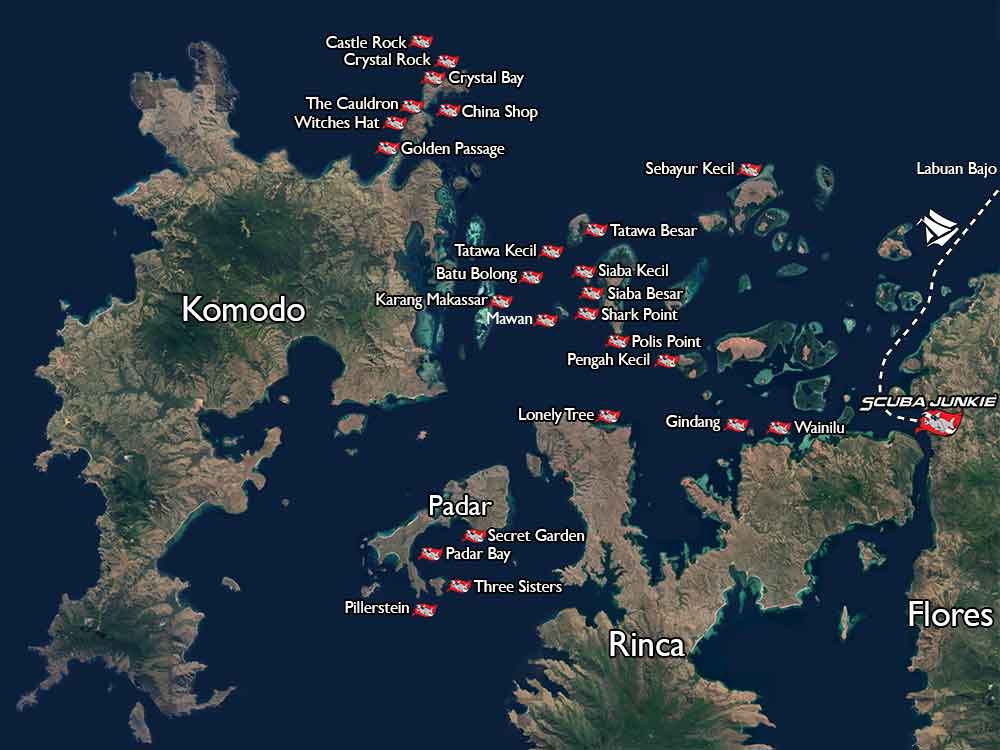
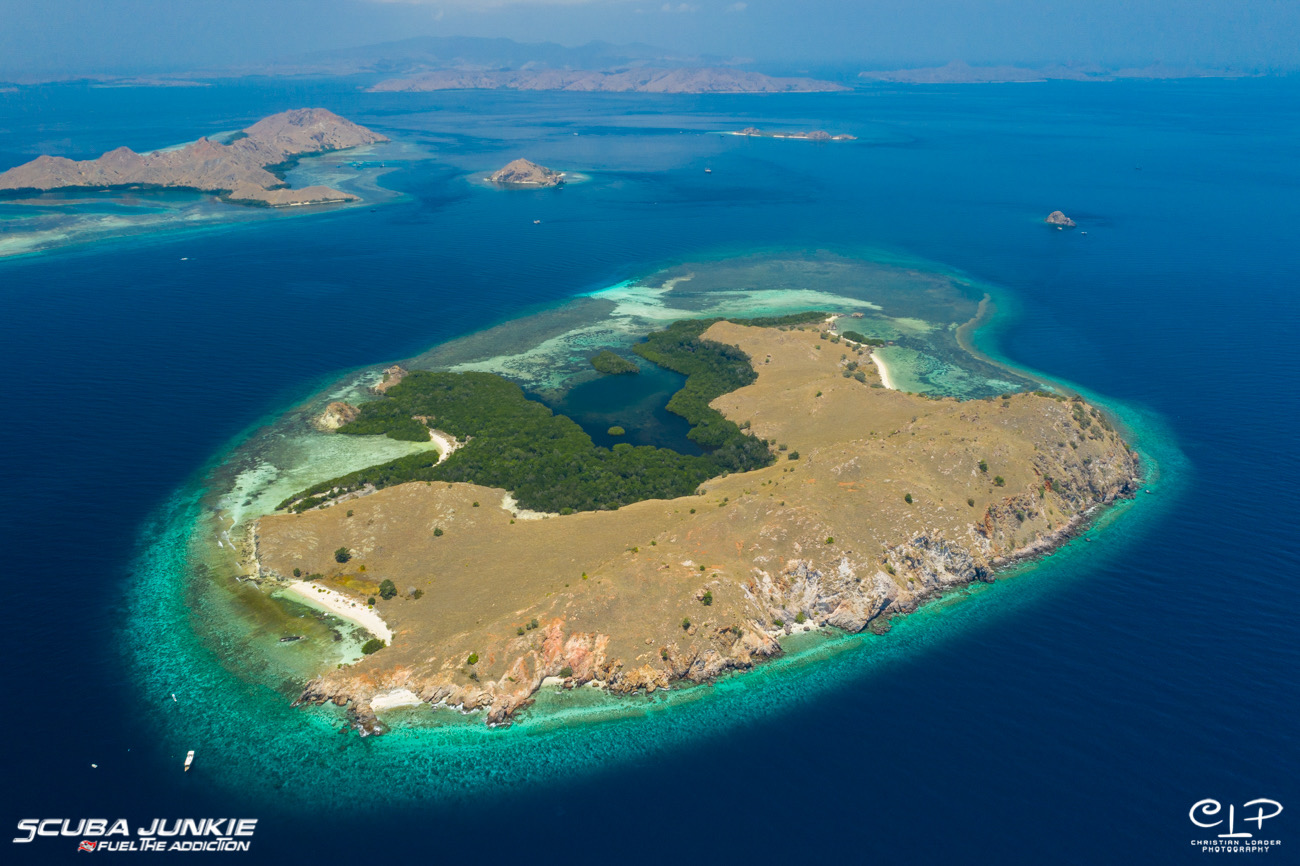
Komodo National Park is located between the islands of Sumbawa and Flores in the Lesser Sunda Islands. The Park itself consists of the 3 main islands of Komodo, Rinca & Padar. There are however about 26 smaller islands which make up this region. The National Park is 1,733 km2 and the majority of that area is taken up by the marine waters.
The diving in Komodo is commonly divided into 3 areas – Central, North and South. So let’s explain a little more about the different areas and when is the best time to visit Komodo depending on where you want to go and what you want to see.
Best Time to Visit Komodo – Central Sites
These sites are the sites that sit between the east coasts of Komodo & Rinca Islands and the eastern boundary of the National Park. Famous dive sites you have probably heard of in this area are Batu Bolong, Manta Point, Mawan and Tatawa Kecil. There are many many more!!
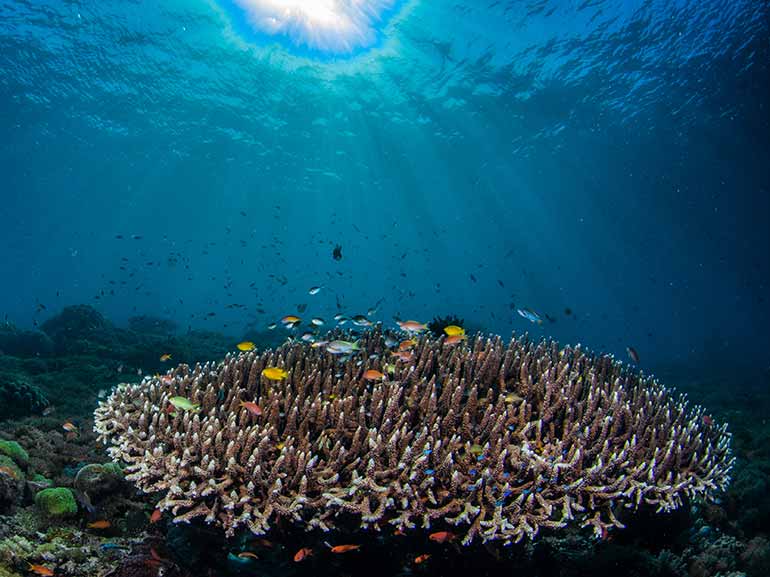
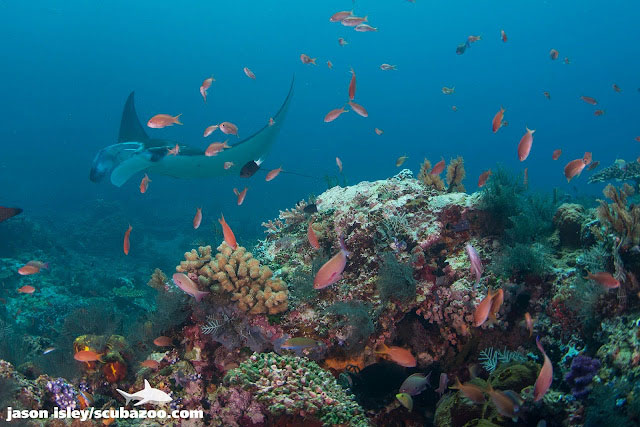
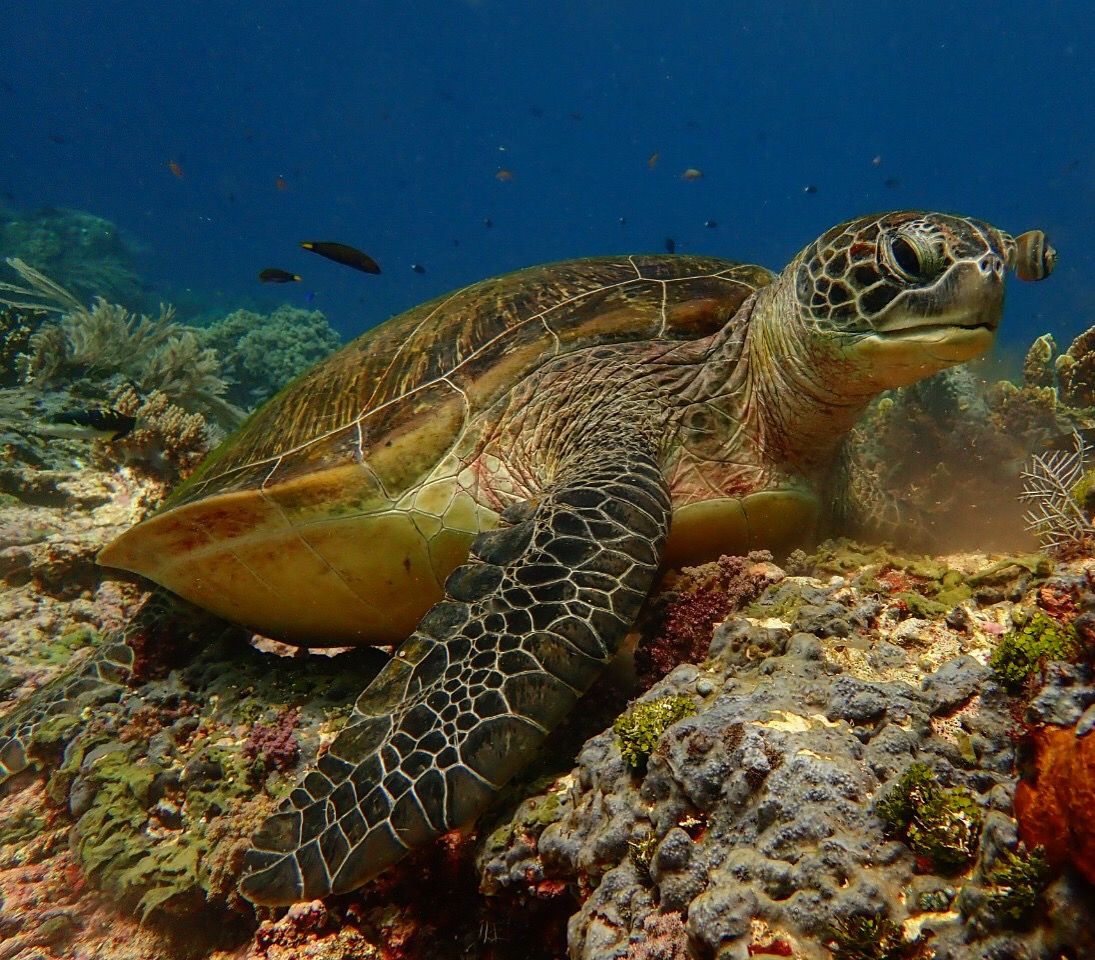
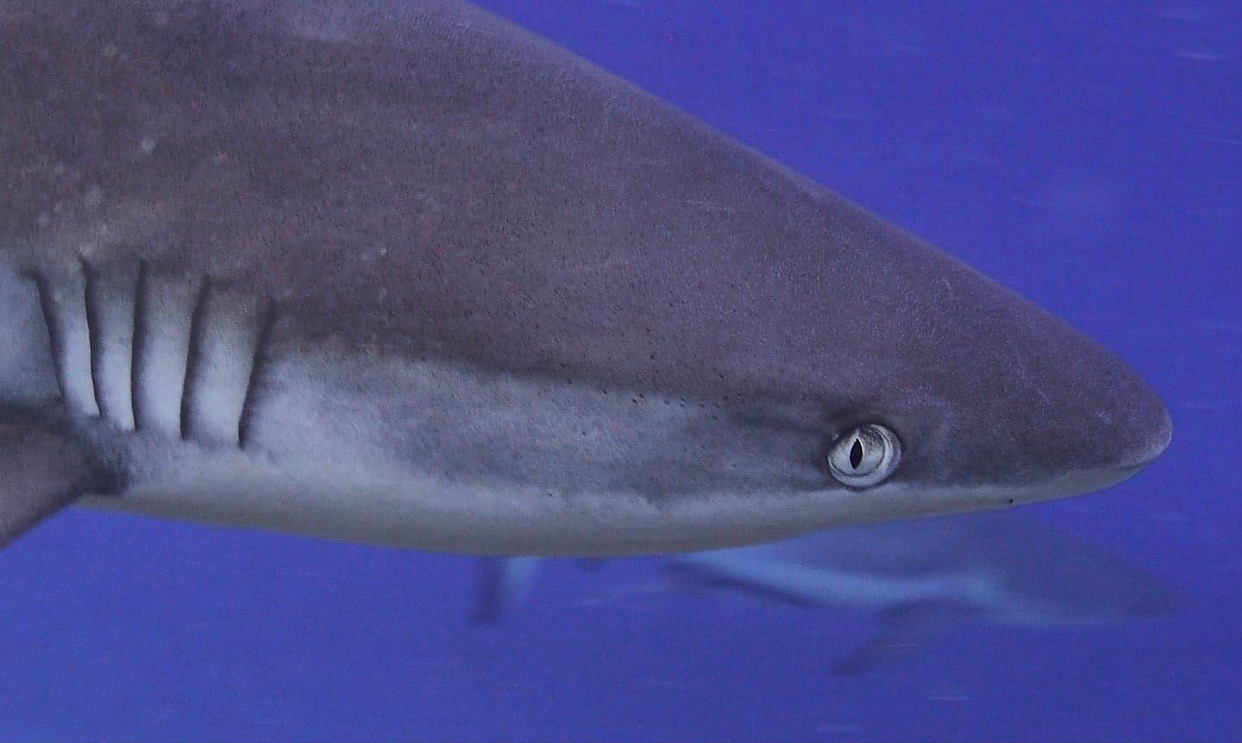
Central Komodo is accessible all year around. The conditions do vary a little throughout the year and we will come onto that a little bit later. The sites in this area really do offer something for everyone! Mantas frequent these central sites all year around, but for sure are seen in bigger numbers between September – May. We also get lots of reef sharks, green and hawksbill turtles, a huge variety of reef fish and stunning coral reefs. There are also a few fantastic macro / muck dives in this area where we will spend time looking for blue ring octopus, frogfish, nudibranch, ghost pipefish, pygmy cuttlefish and all the other little critters that find their homes here.
Best Time to Visit Komodo – Northern Sites
The north of the National Park is considered the area to the north east of Komodo Island. This area is much more exposed than the central sites as the islands are facing the open ocean. This does also mean these sites are usually great places to see “the big stuff.”
The dive sites can be found in and around the islands of Komodo, Gili Lawa Laut (Island close to the sea) and Gilia Lawa Darat (island close to the land – close to Komodo Island!). Some of the most famous sites in Komodo can be found here. We have The Cauldron / Shot Gun, Castle Rock, Crystal Rock and Golden Passage to name but a few.
Much of the diving at these northern dive sites does involve some current and it usually results in action packed dives with plenty of reef sharks and big schools of fish!
The Northern sites are best dived between March / April – October / November time as this is when the sites offer the best visibility and calmest sea conditions. For the remainder of the year the visibility can drop off quite a bit in this part of the National Park and the swell increases, but as this happens in the North of the Park the Southern sites open up!!
Best Time to Visit Komodo – Southern Sites
These sites are found to the south west of Komodo & Rinca Island with a number of popular dive sites being around Padar Island too.
The window for diving the southern sites in terms of great visibility and calm conditions is much shorter than the north. The southern sites are usually best dived between October – March. The reason for this is that during the rest of the year the visibility drops off and there can be often strong winds resulting in rough seas coming from the south.
The southern sites around Padar Island are famous for their topography with more of a rocky / wall topography and sites like Pillarstein where there are some fantastic swim throughs. The sites of Padar Bay and Secret Garden are home to corals that are not found in the central and northern sites and are also great places to look for frogfish, seahorses, pipefish and other smaller treasures! Small schools of devil rays can often be seen in the shallows at Secret Garden.
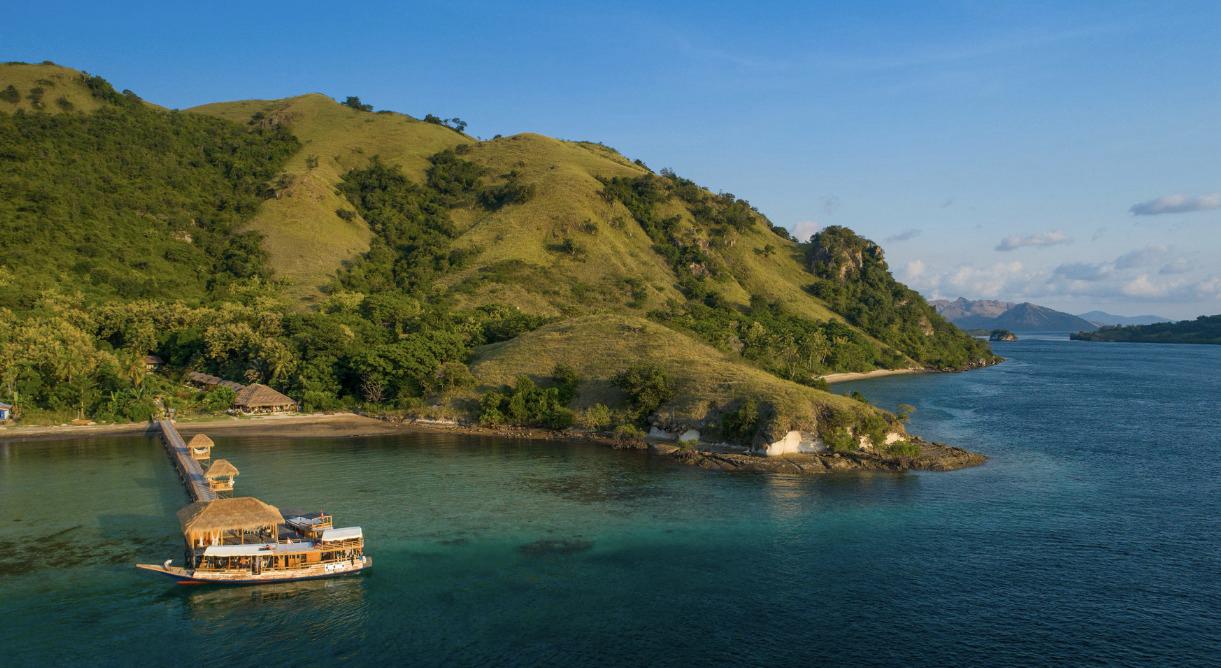
Here at Scuba Junkie our location means we can access these Southern sites during this time of year. The majority of the dive centres departing from Labuan Bajo are not able to offer these trips as they are too far away from the dive sites making it logically difficult. This usually means that we are often the only divers at these sites.
Dry Season / Wet Season
Indonesia sits on the equator which means we have 2 seasons here – the dry season and the wet season! The dry season usually lasts from March – October, but of course this can vary a little year to year. Dry season in this area means little to no rain and the islands become very arid giving most a brownish desert look.
The water temp this time of year ranges from 26-29 degrees with the warmest temperatures in July / August. The visibility also peaks in these months with 25-35 metre visibility on the majority of dive sites. Although the water is warm and the visibility is excellent we do see less mantas around the Park at this time of year as they often move further south to be in the more nutrient rich water and escape the busy boat traffic of high season!
The wet season usually runs from November – March. People are often worried about the term ‘wet season’ as it makes them think of all day every day monsoon rains! This certainly isn’t the case here in Komodo. Yes it does rain of course but it is common for the rain to start in the afternoons and the majority of rain fall occurring overnight. The days usually remain very sunny with blue skies!
Due to the sometimes heavy rain fall the visibility does drop off at this time of year with average visibility of 10-20m to be expected on most sites.
However this is a usually an excellent time to see mantas as they love the nutrient rich water that flows into the region at this time of year. It is not unusual to have dives with 30-40 mantas flying around during this season!! The water temperature at this time of year averages between 22-26 degrees so if you get a little chilly an extra vest or hood is worth bringing!
What to take away:
Best Time to Visit Komodo – Anytime is a great time – ALL year around!!!
Best Time to Visit Komodo – Best chances to see lots of mantas: September – May
Best Time to Visit Komodo – Visibility: June – September (peaking in July & August)
Best Time to Visit Komodo – Warmest water: July – August (peaking in July & August)
Best Time to Visit Komodo – Dive Central Sites: All year around
Best Time to Visit Komodo – Dive Northern Sites: March/April – October/November
Best Time to Visit Komodo – Dive Southern Sites: October/November – Feb/March
Best Time to Visit Komodo – Quietest Dive Sites: Nov – June
Contact us now to help plan your trip to Komodo and let us help you choose when the best time to visit Komodo is for you!
One comment on “Best time to Visit Komodo?”
Solid analysis! Seeing platforms like jili 56 club prioritize verified RNG & KYC is key for trust. Data-driven approaches seem to be changing the game-interesting to watch market penetration in the Philippines!
about us
We provide daily dive trips and dive courses around the Komodo National Park.
Looking for tips and tricks about diving, marine life or what to do in Indonesia? Follow us on our blog for weekly updates from the team!





Solid analysis! Seeing platforms like jili 56 club prioritize verified RNG & KYC is key for trust. Data-driven approaches seem to be changing the game-interesting to watch market penetration in the Philippines!